
INTRODUCTION : What Is Digital Marketing?
1) What Was Marketing Like Before Digital Marketing?
Before digital marketing, businesses relied on traditional marketing methods to reach customers. This included print ads, newspapers, magazines, TV and radio commercials, billboards, flyers, and direct mail. Marketing focused on broadcasting messages to a broad audience rather than targeting specific customer groups.
Traditional marketing often required larger budgets and made it difficult to measure results or track return on investment accurately. It relied heavily on creativity and repetition to build brand awareness and influence customer behavior.
In professional terms, marketing before the digital era was about mass promotion and brand visibility, lacking the precision, measurability, and interactivity that digital marketing offers today. It laid the foundation for modern strategies by emphasizing the importance of reaching and engaging potential customers.
2)What is Digital marketing?

2)What is Digital marketing?
If you are wondering exactly what is digital marketing, it is the practice of promoting products or services through online channels such as websites, search engines, social media, email, and digital ads. Its main goal is to reach the right audience, engage them, and generate results like website traffic, leads, and sales.
It is more than just advertising—it uses data and smart strategies to understand customer behavior and deliver relevant content to the right people at the right time. Businesses can target audiences based on their interests, location, and online activity, making marketing efforts more precise and effective. With the help of analytics, performance can be tracked and improved continuously.
Digital marketing also helps build strong relationships with customers through regular communication and valuable content. It increases brand awareness, builds trust, and supports long-term business growth.
In simple terms, digital marketing is a professional and effective way to connect with people online, grow a brand, and achieve consistent business success.
For more to know use WIKIPEDIA : For more
3) Why is Digital Marketing Important?
To fully grasp what is digital marketing and its impact, we must look at why it is so essential today. Digital marketing is important because it enables businesses to reach a wider and more targeted audience through online channels. In today’s digital world, most customers spend their time on the internet, making it essential for businesses to have a strong online presence. Digital marketing helps increase brand visibility, attract potential customers, and drive measurable results such as leads and sales.
It also provides a cost-effective way to promote products and services compared to traditional marketing methods. With the use of data and analytics, businesses can track performance, understand customer behavior, and continuously improve their strategies for better outcomes.
In simple terms, digital marketing is important because it helps businesses grow, stay competitive, and connect effectively with their audience in a measurable and efficient way.
4) How does digital marketing work?
A common follow-up to asking what is digital marketing is wondering how it actually functions behind the scenes. Digital marketing works by using online platforms and strategies to reach the right audience and guide them toward a desired action, such as making a purchase or contacting a business. It begins with understanding the target audience and creating relevant content or advertisements that attract their attention through channels like search engines, social media, websites, and email.
Once users interact with the content, they are directed to a website or landing page where clear messaging and a strong call to action encourage them to take the next step. Throughout this process, data and analytics are used to track performance, measure results, and improve campaigns.
In simple terms, digital marketing works by attracting potential customers online, engaging them with valuable content, and converting them into leads or sales through continuous optimization.
5) The History of Digital Marketing
Digital marketing began in the early 1990s with the emergence of the internet and the development of the first websites. During this period, businesses started using basic online platforms and email to promote their products and services. The introduction of search engines and the first clickable banner advertisement in 1994 marked a significant step toward modern online advertising.
In the 2000s, digital marketing expanded rapidly with the growth of search engines, leading to the rise of search engine optimization (SEO) and pay-per-click (PPC) advertising. The emergence of social media platforms further transformed the industry by enabling direct interaction between businesses and their audiences.
In recent years, digital marketing has evolved into a data-driven and technology-focused field, incorporating mobile marketing, automation, artificial intelligence, and personalized strategies. Today, it plays a vital role in business growth by allowing companies to reach targeted audiences, measure performance, and continuously optimize their marketing efforts for better results.
6) Breaking Down What Is Digital Marketing: The 8 Core Types
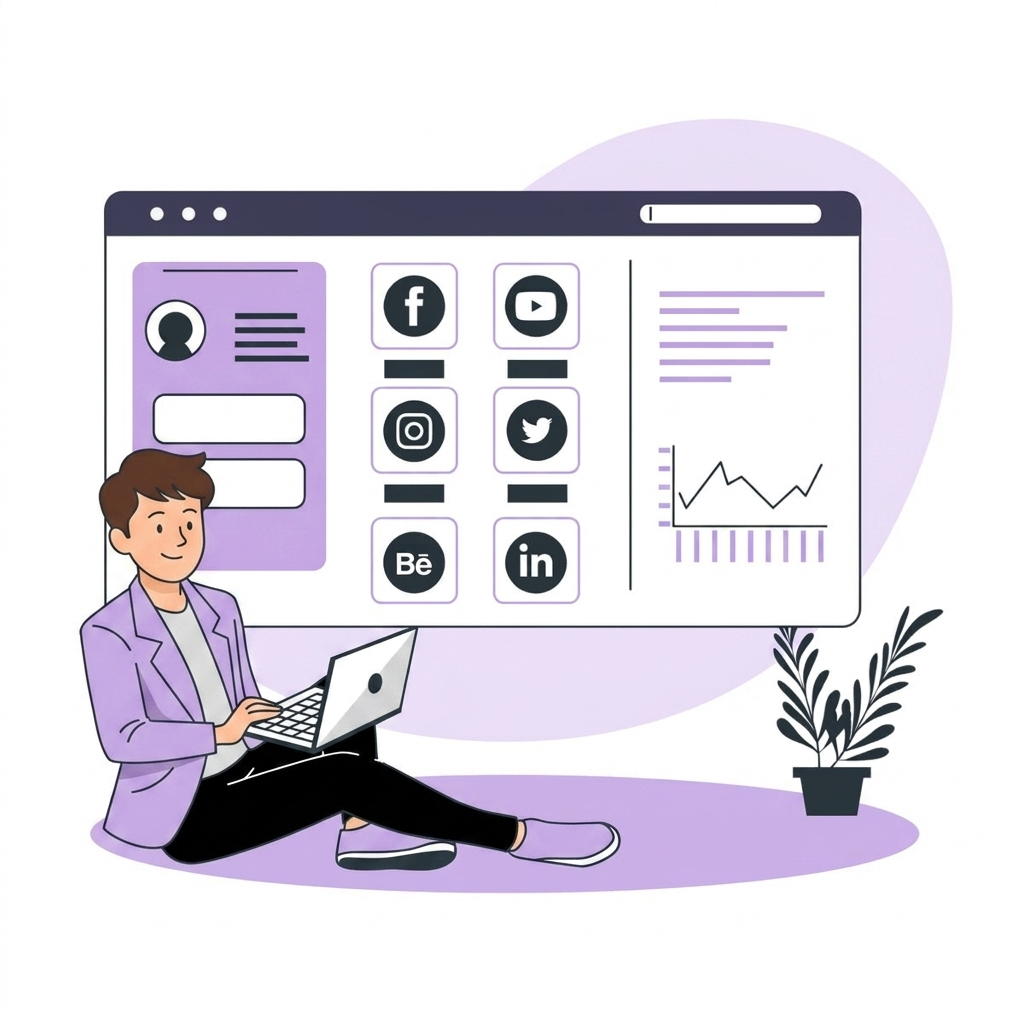
To answer what is digital marketing completely, you have to look at its various components. Digital marketing consists of multiple types, each using a specific online channel to promote products or services and engage a targeted audience. These methods work together to increase visibility, build engagement, and drive measurable results.
1. Search Engine Optimization (SEO)
Search Engine Optimization (SEO) is the process of improving a website’s visibility on search engines to attract organic (non-paid) traffic. It involves optimizing website content, structure, and technical elements so that search engines can easily understand and rank the site for relevant queries.
SEO focuses on using the right keywords, creating high-quality content, enhancing user experience, and building credible links. These efforts help a website appear higher in search results, making it easier for potential customers to find it.
2. Social Media Marketing
Social media marketing is the use of social media platforms such as Instagram, Facebook, LinkedIn, and others to promote products or services and connect with a target audience. It involves creating and sharing content, running advertisements, and engaging with users to build brand awareness and strengthen customer relationships.
3. Content Marketing
Content marketing is a strategic approach that focuses on creating and distributing valuable, relevant, and consistent content to attract and engage a specific target audience. This content can include blog articles, videos, infographics, and social media posts designed to inform, educate, or solve problems for potential customers.
4. Email Marketing
Email marketing is a digital marketing strategy that involves sending targeted and personalized messages to a group of subscribers through email. It is used to promote products or services, share updates, and maintain ongoing communication with potential and existing customers.
5. Pay-Per-Click Advertising (PPC)
Pay-Per-Click (PPC) advertising is a digital marketing model in which businesses place ads on online platforms and pay a fee only when a user clicks on the ad. These ads typically appear on search engines, social media, and other websites, allowing businesses to reach a targeted audience quickly.
6. Affiliate Marketing
Affiliate marketing is a performance-based digital marketing strategy in which businesses partner with individuals or third parties (affiliates) to promote their products or services. Affiliates earn a commission for each sale, lead, or action generated through their unique referral links.
7. Influencer Marketing
Influencer marketing is a digital marketing strategy where businesses collaborate with individuals who have a strong online following, known as influencers, to promote their products or services. These influencers share content with their audience, helping to build brand awareness, credibility, and trust.
8. Mobile Marketing
Mobile marketing is a digital marketing strategy aimed at reaching a target audience on their smartphones, tablets, and other mobile devices through websites, email, SMS and MMS, social media, and apps. Because people carry their mobile devices everywhere, this approach allows businesses to offer highly targeted, location-based, and time-sensitive offers that drive immediate engagement.
7) Which Type of Digital Marketing Is Best?
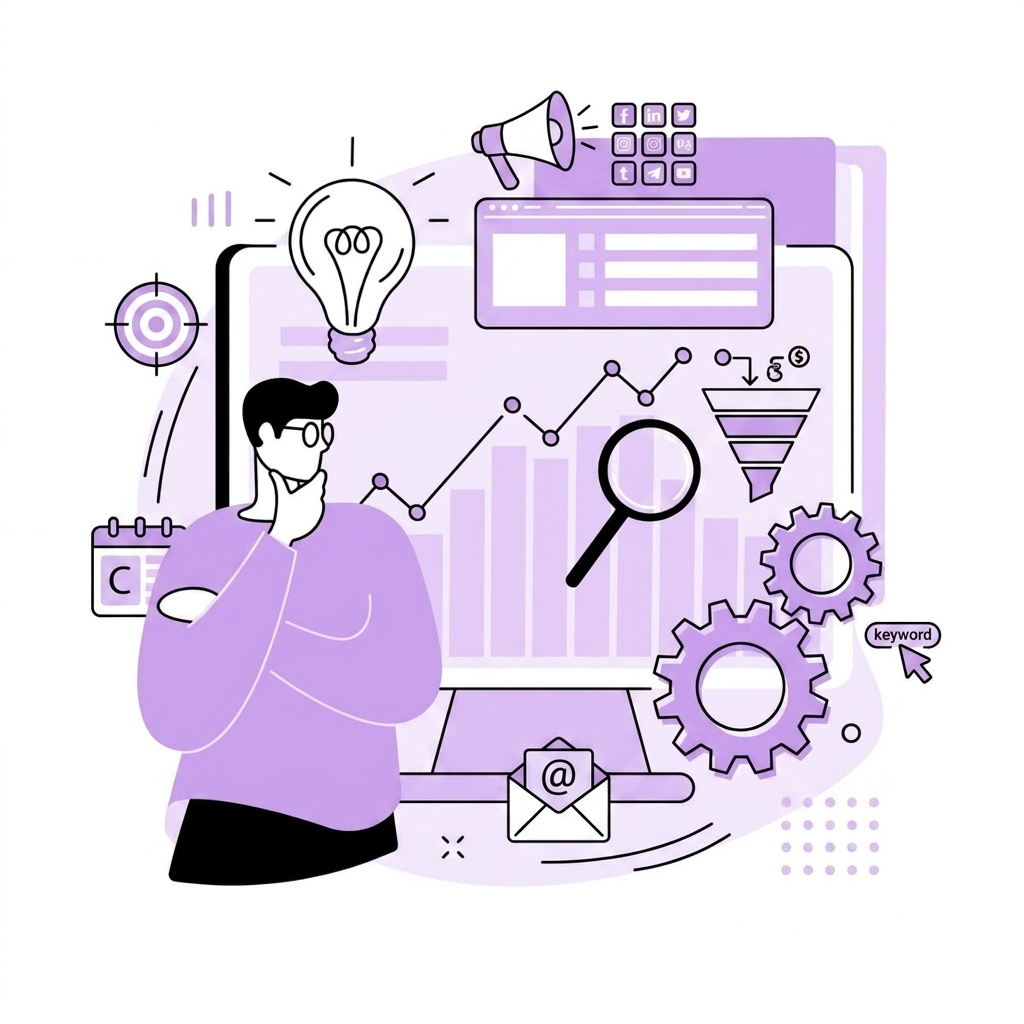
While all types of digital marketing play an important role, Search Engine Optimization (SEO) is often considered the most effective for long-term business growth. SEO focuses on improving a website’s visibility on search engines, allowing businesses to attract organic traffic from users actively searching for products or services.
Why SEO Is the Best in Digital Marketing – From My Experience
I still remember one SEO project that changed the way I think about digital marketing completely. It was a small business in a competitive niche. At the start, everything depended on paid ads. We were getting daily traffic and consistent leads, and it looked like a stable setup.
But one week, we reduced the ad budget just to test performance. Within hours, traffic dropped, leads slowed down, and visibility reduced. That showed us the business was mostly depending on ads and not growing organically. So we decided to focus fully on SEO.
In the beginning, it felt slow. We worked on improving page titles, rewriting content based on search intent, organizing headings, and adding internal links. We also fixed technical issues like slow page speed, mobile usability problems, and indexing errors. Along with that, we started building backlinks from relevant websites step by step.
At the same time, we also started another SEO project for a different local service business. This helped us compare results better. In that project, we focused more on local SEO—optimizing Google Business Profile, adding local keywords like “near me” searches, collecting reviews, and listing the business in local directories.
After some time, both websites started showing small improvements. Organic traffic slowly increased, and rankings began to improve step by step. The visitors coming from Google were more relevant because they were actively searching for the services. Over time, SEO became the most stable source of traffic and leads for both businesses. Even without running ads daily, visitors kept coming consistently, and leads became more reliable.
On-Page SEO (Work done inside the website)
- Changed page titles to match what users search for
- Updated content with proper keywords
- Organized headings (H1, H2) clearly
- Added internal links between pages
- Result: Pages became clearer and started slowly ranking better. Visitors also spent more time on the website.
Off-Page SEO (Building trust outside the website)
- Created backlinks from relevant websites
- Shared content on platforms and directories
- Worked on local listings and mentions
- Result: As backlinks increased, Google started trusting the website more, and rankings improved gradually.
Technical SEO (Fixing backend issues)
- Improved page speed
- Made the site mobile-friendly
- Fixed indexing issues
- Removed broken links
- Result: The website became faster and easier for Google to understand, which helped improve visibility.
In our case:
After fixing these, the website became faster and easier for Google to understand, which helped improve visibility.
Over time, SEO became the most stable source of traffic and leads for both businesses. Even without running ads daily, visitors kept coming consistently, and leads became more reliable.
That experience taught me something very simple: SEO takes time and patience, but once it starts working, it becomes a steady system that keeps bringing results over the long term.
For more lets connect with me Linkedin
8) How Can I Do Digital Marketing?
From my experience as a digital marketer, successfully doing digital marketing requires a combination of strategy, tools, and consistent execution. The first step is to understand your target audience—their needs, interests, and online behavior—so that campaigns are relevant and effective.
Next, plan and implement strategies across multiple channels, including SEO, social media, content marketing, email, PPC, and mobile marketing. Each channel should complement the others to maximize reach, engagement, and conversions. Monitoring performance using analytics tools is essential to track traffic, leads, and ROI, and to make data-driven adjustments for improvement.
Creating high-quality, engaging content and maintaining consistent communication with your audience helps build credibility and trust. Over time, leveraging automation, personalization, and optimization techniques ensures campaigns remain efficient and results-driven.
9) Common FAQs About What Is Digital Marketing

1. Is Digital Marketing an IT Job?
No, digital marketing is not an IT job. It is a marketing role that uses online tools and technology to promote products or services. While basic tech skills like using websites, social media platforms, and analytics tools are needed, the main focus is on strategy, creativity, and reaching the right audience.
2. How can I start digital marketing?
You can start digital marketing by learning the basics like SEO, social media marketing, content creation, email marketing, and online advertising. Practice by creating your own projects, helping small businesses, or doing internships.
3. Is digital marketing a good career?
Yes, digital marketing is a good career because it is in high demand and offers many opportunities for growth. You can work in various areas like SEO, social media, content, email marketing, and more.
4. What is the future of digital marketing?
The future of digital marketing is bright and growing fast. It will focus more on personalized experiences, AI tools, data-driven strategies, and mobile-first marketing.
5. How is digital marketing different from traditional marketing?
Digital marketing uses online channels like websites, social media, email, and search engines to reach customers, while traditional marketing uses offline methods like TV, newspapers, radio, and billboards.
The main differences are:
- Targeting: Digital marketing can reach a specific audience; traditional marketing reaches a broad audience.
- Cost: Digital marketing is usually more cost-effective.
- Measurability: Digital campaigns can be tracked and measured in real-time; traditional marketing is harder to measure.
- Engagement: Digital marketing allows direct interaction with customers; traditional marketing is mostly one-way communication.
In simple words, digital marketing is smarter, measurable, and interactive, while traditional marketing is broad and less precise.
Connect With me For Any Quires : vigneshwarb.com